
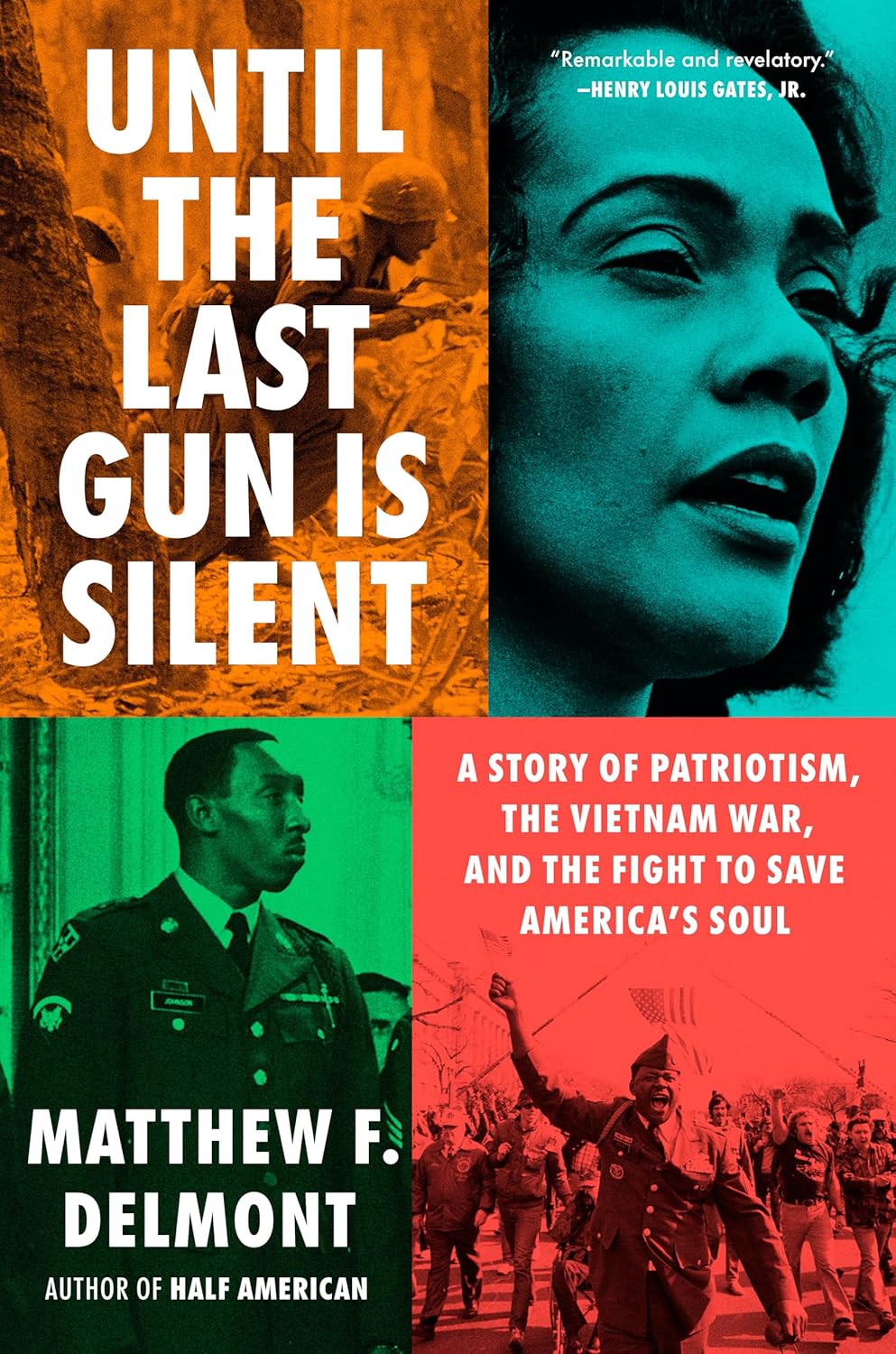
Until the Last Gun Is Silent: A Story of Patriotism, the Vietnam War, and the Fight to Save America’s Soul by James Webb is a powerful, personal nonfiction work. It was published in early 2026 by Simon & Schuster. The book blends memoir, military history, and cultural reflection. It draws from Webb’s own experience as a Marine officer in Vietnam and his later life in politics and public service.
Plot Overview
The narrative centers on Webb’s journey through the Vietnam War and its long aftermath. It begins with his arrival in Vietnam in 1968 as a young Marine platoon leader. Webb served in some of the war’s fiercest fighting, including the Battle of An Hoa and operations in the Que Son Valley. He earned the Navy Cross, Silver Star, two Bronze Stars, and two Purple Hearts.
The book recounts vivid combat scenes. Webb describes the chaos of ambushes, patrols through dense jungle, and close-quarters firefights. He writes about the men he led—young Marines who showed extraordinary courage and sacrifice. He honors the fallen and the wounded. He also confronts the brutal realities of war: fear, loss, moral confusion, and the toll on body and mind.
After the war, Webb explores the deep wounds Vietnam left on America. He covers the anti-war movement, the treatment of returning veterans, and the political divisions that tore the country apart. He argues that the nation failed its warriors. He critiques the way the war was fought, the draft system, and the lack of clear strategy. He examines how the experience shaped his views on patriotism, leadership, and national unity.
Webb reflects on his post-war life. He became a journalist, novelist (Fields of Fire), Secretary of the Navy under Reagan, and U.S. Senator from Virginia. He uses these roles to discuss the ongoing struggle to heal America’s soul. He calls for reconciliation, respect for military service, and a renewed sense of shared purpose. The book ends with hope. Webb believes honest reflection can help the country move forward.
Character Dynamics and Development
Webb is the central figure. He is introspective and unflinching. He writes about his own fears, mistakes, and growth as a leader. He honors the Marines under his command. He portrays them as individuals—funny, brave, loyal, and human. He avoids glorification. He shows the war’s toll on them.
Webb also examines broader figures. He discusses presidents, generals, protesters, and everyday Americans. He critiques both hawkish and dovish extremes. He seeks balance. He respects those who opposed the war while defending those who fought it.
The dynamic is reflective. Webb wrestles with guilt, pride, and anger. He evolves from a young warrior to a mature statesman. His voice is honest and authoritative.
Key Events and ThemesThe book covers major moments: Webb’s combat tours, the fall of Saigon, the post-war struggles of veterans, and key political debates. It includes personal anecdotes—like carrying wounded Marines under fire and visiting the Vietnam Veterans Memorial.
Key themes include:
- The true cost of war on individuals and society
- The betrayal many veterans felt upon returning home
- The need for national reconciliation
- The enduring value of patriotism rooted in service and sacrifice
- The importance of learning from history to avoid repeating mistakes
The tone is somber yet hopeful. Webb writes with clarity and emotion. He avoids partisanship. He calls for unity and understanding.
In short, this is a moving, important read. A decorated Vietnam veteran and former senator reflects on war, division, and healing. It honors the fallen, confronts hard truths, and pleads for a better America. It is essential for anyone interested in Vietnam, military service, or the soul of the nation.