
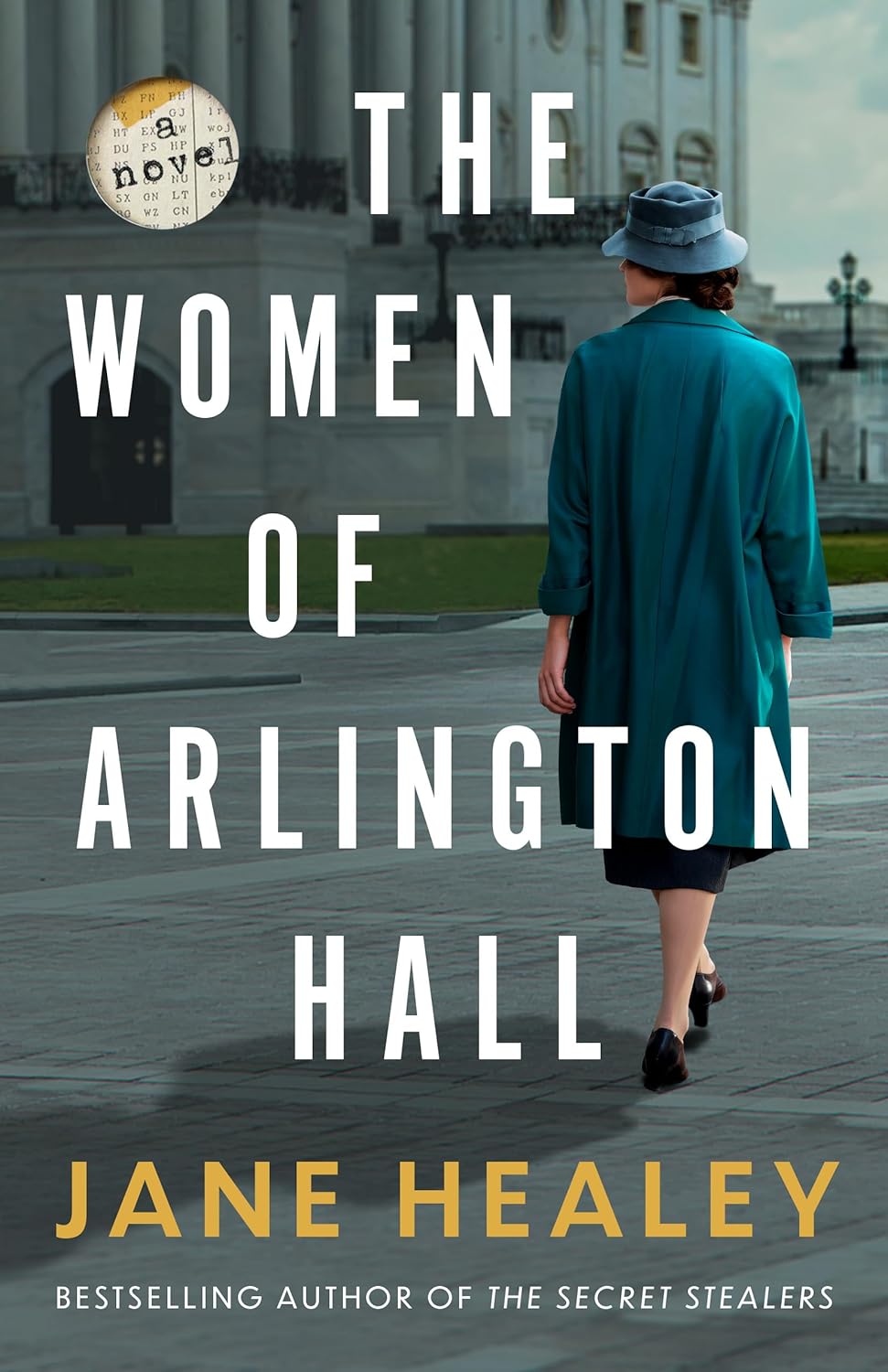
Book Review: The Women of Arlington Hall: A Novel by Jane Healey
Introduction
Jane Healey, bestselling author of The Secret Stealers and The Beantown Girls, delivers a compelling Cold War historical fiction in The Women of Arlington Hall (2025). At ~329–335 pages (Lake Union Publishing/Amazon Publishing), the novel centers on female codebreakers at Arlington Hall, Virginia—the real-life U.S. Army facility that became a hub for cryptanalysis during and after WWII. Set in 1947, it blends espionage thriller, romance, and tribute to the unsung women who cracked Soviet codes amid rising tensions. Healey draws from historical research (including real figures and the Venona project) while crafting a fictional heroine whose personal stakes collide with national security. Released in mid-2025, it earned praise as BookBub’s Best Historical Fiction Second Half of 2025 and an Amazon First Reads pick, appealing to fans of WWII/Cold War fiction like The Rose Code or The Alice Network.
Content and Structure
The story follows Catherine “Cat” Killeen, a bold Radcliffe graduate in cryptoanalysis. In 1947, she jilts her fiancé at the altar and heads to Virginia for a classified military role at Arlington Hall—joining the “government girls” who form the backbone of codebreaking efforts against Soviet spies stealing atomic secrets.
Cat quickly earns respect for her sharp mind, forming bonds with fellow women analysts—intelligent, dedicated peers who navigate sexism, secrecy, and the era’s constraints. She clashes with superiors and suspects while falling for a charismatic colleague whose loyalties prove complicated. The plot escalates through tense code-cracking sessions, surveillance, betrayals, and a high-stakes hunt for a mole. Flashbacks and personal arcs explore Cat’s past choices, family pressures, and inner conflicts.
Healey structures the narrative chronologically, balancing technical cryptanalysis (accessible explanations of ciphers and Venona-like work) with emotional drama: friendships, romance, moral dilemmas, and the personal cost of secrecy. The tone mixes suspense, warmth, and quiet heroism—highlighting women’s contributions often hidden behind “secretary” cover.
Key Themes and Takeaways
Central is women’s overlooked role in intelligence: 90% of Arlington Hall’s workforce were women whose skill and discretion helped expose spies and shape the early Cold War. Themes include loyalty vs. love, betrayal’s ripple effects, female solidarity amid patriarchy, and the tension between duty and personal freedom. Healey explores how ordinary women became extraordinary under pressure—proving intellect and courage in a male-dominated field—while weaving in romance and suspense without overshadowing historical weight.
Strengths and Criticisms
Strengths: Healey’s research shines—authentic details on Arlington Hall, codebreaking, and 1940s Virginia ground the story. Cat is a fiery, relatable heroine; supporting women add depth and sisterhood. The blend of espionage thrills, romance, and emotional stakes keeps it engaging. Reviews praise its page-turning pace, vivid setting, and celebration of female ingenuity.Criticisms: Some find it more romance-heavy than spy thriller, with lighter historical detail than expected. Pacing can slow in personal subplots; a few readers note the espionage feels secondary to character drama.
Conclusion
The Women of Arlington Hall is a stirring, well-researched tribute to the women who cracked codes and shaped history in the shadows. Healey crafts an empowering, suspenseful read with heart—perfect for historical fiction lovers seeking strong female leads, Cold War intrigue, and romance. Rated 4.4/5 for research, characters, and timely resonance. In an era revisiting women’s hidden contributions, this novel illuminates the courage behind the ciphers. Highly recommended for fans of espionage-tinged historicals.