
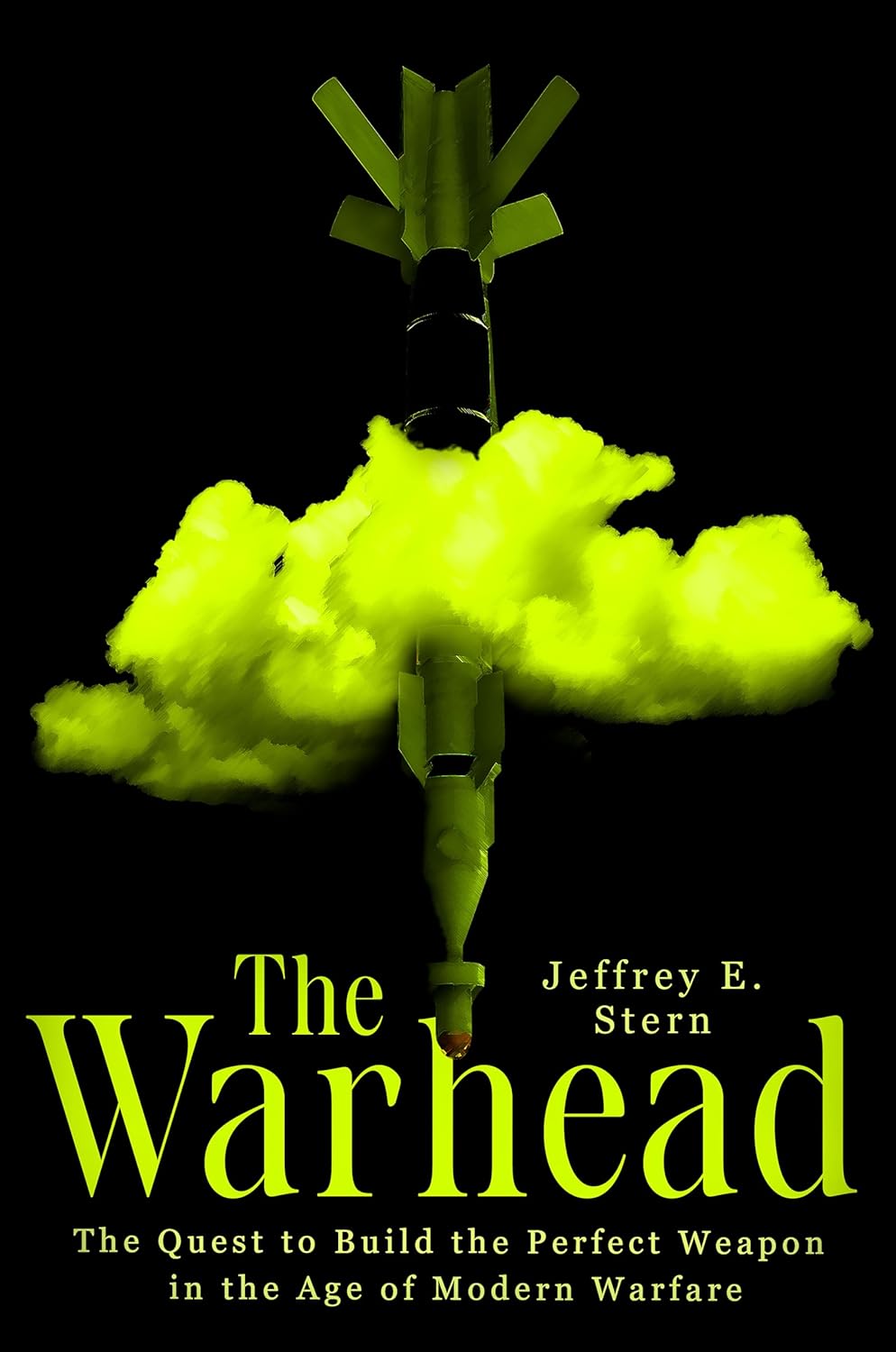
The Warhead: The Quest to Build the Perfect Weapon in the Age of Modern Warfare by Annie Jacobsen is a gripping, deeply reported nonfiction book. It was published in February 2026 by Little, Brown and Company. The book investigates the ongoing global race to develop the next generation of “perfect” weapons—systems designed to be fast, precise, undetectable, autonomous, and decisive in modern conflict.
Plot OverviewJacobsen structures the narrative around the central question: What would the ideal weapon look like in the 21st century, and who is closest to building it? She traces the evolution from Cold War nuclear standoffs to today’s pursuit of hypersonic missiles, AI-driven swarms, directed-energy weapons, cyber-kinetic hybrids, and fully autonomous lethal systems.
The book is organized around key weapon categories and the countries racing to master them:
- Hypersonics — Glide vehicles and scramjet-powered missiles that travel at Mach 5+ and maneuver unpredictably. Jacobsen details U.S., Chinese, and Russian programs (Avangard, DF-17, AGM-183A ARRW), including test failures, breakthroughs, and the fear that hypersonics could render existing missile defenses obsolete.
- AI and Autonomy — The shift toward lethal autonomous weapons (“killer robots”). She examines Project Maven, China’s swarm-drone demonstrations, Russia’s Lancet loitering munitions, and debates inside the Pentagon and United Nations about banning fully autonomous killing machines.
- Directed Energy — Lasers and high-power microwaves designed to disable drones, missiles, and electronics silently and at the speed of light. Programs like HELIOS, DE M-SHORAD, and China’s LW-30 are covered, along with real-world tests against drones in the Middle East.
- Cyber-Kinetic Hybrids — Weapons that combine code with physical destruction (e.g., Stuxnet-style attacks on centrifuges or power grids, or malware that hijacks missile guidance). Jacobsen explores how offensive cyber units in the U.S., China, Russia, Israel, and Iran operate in near-secrecy.
- Space-Based and Orbital Systems — Anti-satellite weapons, co-orbital killers, and potential orbital bombardment platforms. She discusses the Kessler syndrome risk and the militarization of low Earth orbit.
Throughout, Jacobsen interviews current and former officials from DARPA, the Strategic Capabilities Office, PLA Rocket Force, Russian General Staff, and private defense contractors. She reveals how commercial tech (Starlink, commercial satellites, AI chips) is blurring the line between civilian and military innovation.
Character Dynamics and Development
The book is people-driven rather than purely technical. Key figures include:
- Anonymous DARPA program managers who speak candidly about ethical dilemmas
- Chinese rocket scientists who describe the intense pressure to surpass U.S. capabilities
- Russian designers still proud of Cold War legacies but racing to catch up
- Pentagon officials torn between technological inevitability and moral red lines
Jacobsen portrays a global community of engineers, generals, and policymakers who are simultaneously brilliant and anxious. They know the weapons they build could end civilization, yet they believe deterrence requires staying ahead.
Key Themes
- The illusion of the “perfect” weapon — Every advance creates new vulnerabilities.
- Speed as the new currency — In modern warfare, decision time has shrunk from hours to seconds.
- The erosion of human control — Autonomy and AI shift responsibility from soldiers to algorithms.
- Commercial tech as dual-use accelerator — Smartphones, drones, and cloud computing fuel military leaps.
- The moral and strategic trap — Arms racing is rational for each nation but irrational for humanity.
The tone is urgent and sobering without sensationalism. Jacobsen avoids predicting specific wars but stresses that the next major conflict will look very different from those of the past.
In short, this is a must-read for anyone interested in modern warfare, emerging technology, or great-power competition. It explains why the race for the “perfect” weapon is accelerating, who is winning (and losing), and what the consequences could be if deterrence fails. Clear, chilling, and meticulously sourced, it is essential context for understanding the world of 2026 and beyond.