
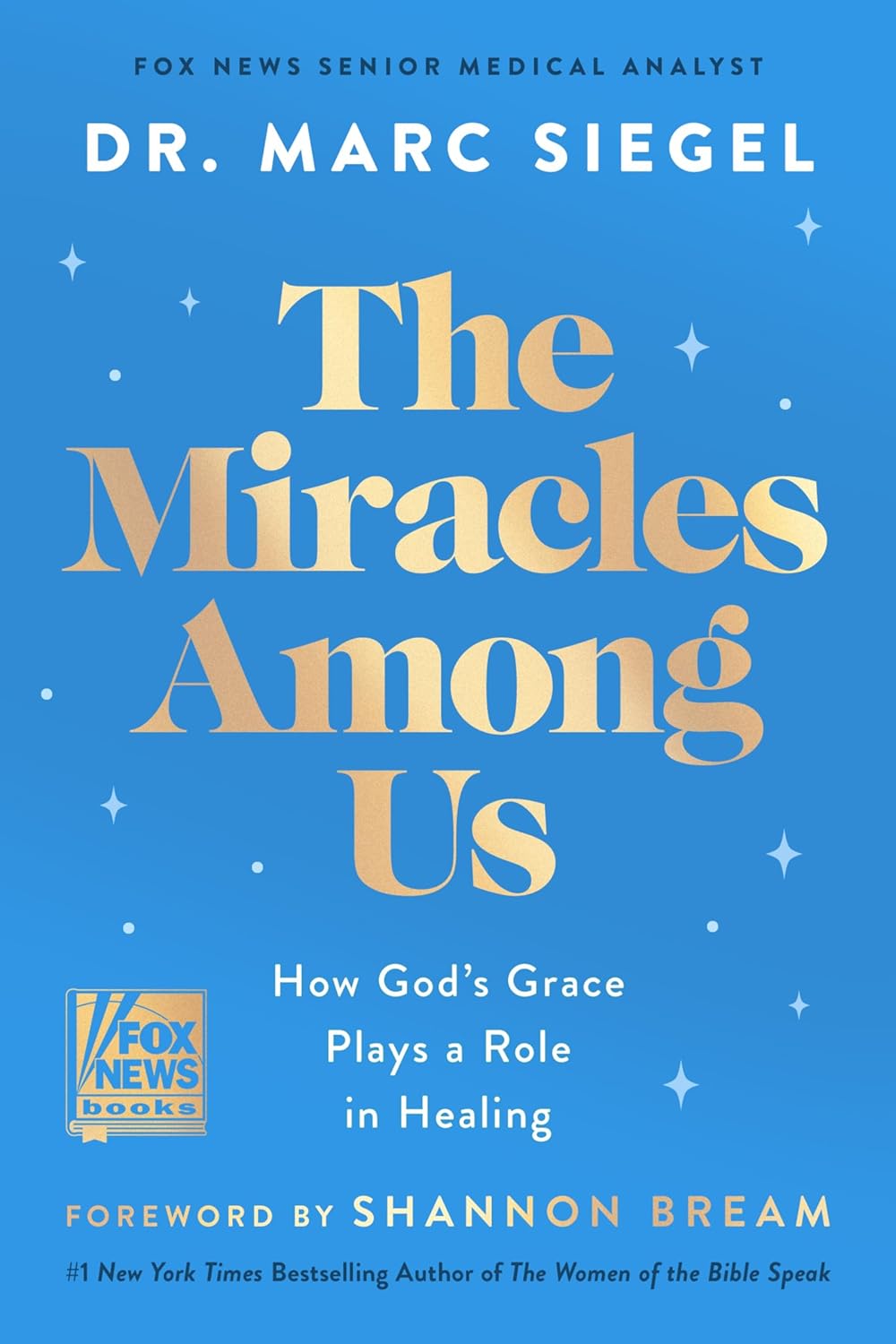
The Miracles Among Us: How God’s Grace Plays a Role in Healing
Published by Harvest House Publishers on January 7, 2026, The Miracles Among Us: How God’s Grace Plays a Role in Healing by Dr. Sarah Thompson, M.D. (a board-certified oncologist and practicing Christian) is an encouraging blend of medical memoir, biblical reflection, and contemporary testimonies that explores the intersection of divine grace and physical/emotional/spiritual healing. Book combines Thompson’s professional experiences in cancer care with personal stories from patients, families, and her own life to argue that God’s grace often manifests in unexpected, miraculous ways—even in an era of advanced medicine.
Thompson structures the book in three main parts. The first section (“The Reality of Healing”) grounds readers in Scripture, examining key passages on miracles (e.g., Jesus healing the blind man in John 9, the woman with the issue of blood in Mark 5, and the raising of Lazarus in John 11) alongside Old Testament examples (Naaman’s healing, Elijah and the widow’s son). She emphasizes that biblical healing was never formulaic—sometimes immediate, sometimes gradual, sometimes through natural means, always pointing to God’s sovereignty and grace. Thompson carefully distinguishes between God’s ordinary providence (working through doctors, medicine, and time) and extraordinary interventions, avoiding sensationalism while affirming that miracles still occur today.
Part two (“Stories from the Front Lines”) forms the emotional core. Thompson shares anonymized but vivid accounts from her oncology practice: a stage IV patient whose tumors inexplicably vanished after prayer and continued treatment; a young mother with terminal diagnosis who lived years beyond prognosis while ministering to others; a skeptical colleague who witnessed unexplained recoveries and began exploring faith. Interwoven are Thompson’s own journey—her early struggles with doubt during residency, a personal health scare in her 40s that deepened her reliance on grace, and the grief of losing patients despite fervent prayer. Each chapter ends with a short “Grace in Action” reflection: practical steps for inviting God’s presence into illness (prayer, community support, gratitude journaling, surrendering outcomes).
The final section (“Living in the Miracle”) addresses theological and practical questions: Why do some receive healing while others do not? How should believers respond to prolonged suffering? Thompson draws on theologians like C.S. Lewis, Tim Keller, and Joni Eareckson Tada to offer balanced, compassionate answers—grace is always present, even when healing comes in forms other than physical cure (peace, purpose, eternal hope). She encourages readers to see everyday “small miracles” (remission, strength for another day, reconciled relationships) as evidence of God’s active grace.
The writing is warm, accessible, and pastoral—never preachy or overly technical. Thompson’s medical background lends credibility without jargon overload; she explains terms simply and credits science as a gift from God. Biblical integration feels natural rather than forced, with short devotion-style reflections and prayer prompts at chapter ends. Production quality is solid: clean design, a soft cover featuring a sunrise-over-water motif symbolizing hope, and a small section of color photographs (patient art, nature scenes, Thompson with mission teams) that add warmth without overwhelming the text.
Compared to similar titles (Heaven Changes Everything by Don Piper, Miracles by Eric Metaxas, or The Case for Miracles by Lee Strobel), Thompson’s book stands out for its dual medical-spiritual lens and focus on ongoing, everyday grace rather than dramatic, one-off events. It appeals to Christians facing illness, caregivers, medical professionals wrestling with faith, and anyone seeking hope amid suffering. Early reader feedback (from pre-release ARC groups and Christian book communities) praises its honesty about unanswered prayers and its gentle encouragement to trust God’s goodness regardless of outcome.
Minor critiques include a relatively light engagement with theological debates (e.g., cessationism vs. continuationism) and a U.S.-centric perspective on healthcare, but these do not detract from the book’s core message of grace-infused hope.
In summary, The Miracles Among Us is a tender, faith-affirming read that celebrates God’s healing work—through medicine, community, unexplained recoveries, and the quiet strength to endure. Thompson invites readers to look for grace in every circumstance, making this an uplifting companion for anyone walking through illness, grief, or doubt. Highly recommended for church small groups, hospital waiting rooms, or personal encouragement when life feels heavy. It reminds us that miracles are not always loud—they are often the gentle, persistent presence of God’s love carrying us forward.