
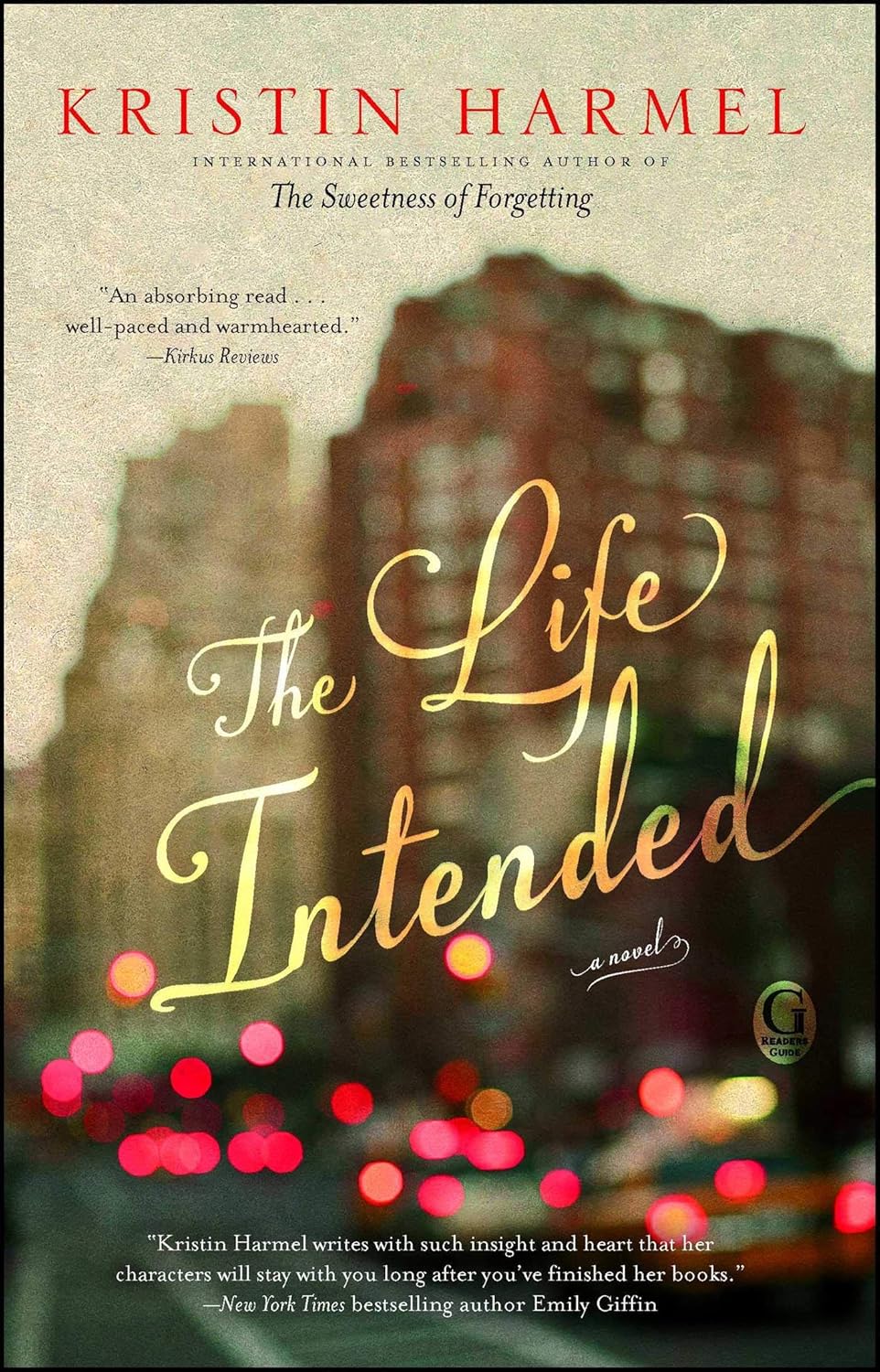
Book Review: The Life Intended by Kristin Harmel
Introduction
Kristin Harmel’s The Life Intended (2015) is a poignant, time-bending women’s fiction novel that blends elements of magical realism, second-chance romance, and self-discovery. At ~384 pages (Gallery Books), the book follows Kate Kingsley, a 35-year-old music therapist in New York City, who has spent years grieving the loss of her fiancé Patrick, killed in a tragic accident on the night he proposed. When she begins experiencing vivid, recurring dreams of an alternate life—one in which Patrick survived and they built a family together—Kate is forced to confront whether her dreams are grief-fueled fantasies or something more. Harmel, known for emotional, heartfelt stories like The Winemaker’s Wife and The Forest of Vanishing Stars, crafts a tender exploration of love, loss, and the roads not taken. In 2026, the novel continues to resonate with readers seeking uplifting, thought-provoking fiction with a touch of the extraordinary.
Content and Structure
The narrative alternates between Kate’s present-day reality and the dream life she slips into each night. In the waking world, Kate is successful but emotionally stalled—engaged to a kind but distant man, still wearing Patrick’s ring, and quietly haunted by what might have been. In her dreams, she lives in a parallel existence: married to Patrick, raising two children, and facing the everyday joys and challenges of family life. The dreams grow increasingly detailed and real, complete with memories and emotions that bleed into her waking hours.
As the boundaries between the two lives blur, Kate begins to question reality itself. She digs into Patrick’s past, reconnects with old friends, and uncovers secrets that suggest the dreams may hold clues to unfinished business—or a second chance. The plot unfolds with gentle suspense: Kate’s search for meaning, her evolving relationship with her fiancé, and the emotional pull of the dream family. Harmel balances heartbreak with hope, building to a bittersweet yet uplifting resolution that explores fate, choice, and the courage to live fully.
The structure is fluid and dreamlike—short chapters shift seamlessly between realities, with Kate’s voice anchoring both. The tone is warm, introspective, and emotionally resonant.
Key Themes and Takeaways
Central is the tension between what was, what is, and what could have been. Themes include grief’s long shadow, the power of memory, the courage to let go, and the idea that love—romantic, familial, self—endures across time and possibility. Harmel examines how we sometimes cling to idealized pasts at the expense of present joy, and how healing often requires embracing imperfection. The novel celebrates second chances—not always in the way we expect—while affirming that life, even when painful, is worth living.
Strengths and Criticisms
Strengths: Harmel’s writing is lyrical and empathetic—Kate’s emotional journey feels authentic and deeply moving. The dual-reality structure is handled with grace; the dream sequences are vivid yet grounded. Readers praise the tear-jerking yet hopeful tone, the relatable characters, and the satisfying (if bittersweet) ending. Many call it a “quiet masterpiece” of women’s fiction.
Criticisms: Some find the pacing slow or the magical realism subtle to the point of ambiguity (is it truly supernatural or grief-induced?). A few readers wanted more resolution on certain threads or felt the romantic elements took a backseat to introspection.
Conclusion
The Life Intended is a beautifully crafted, emotionally rich novel that lingers long after the final page. Kristin Harmel explores love, loss, and possibility with tenderness and insight—perfect for readers who love character-driven stories with heart and a whisper of magic. Rated 4.4/5 for emotional depth, prose, and resonance. Ideal for fans of The Time Traveler’s Wife, The Light We Carry, or anyone who has ever wondered “what if.” A quiet, unforgettable gem.