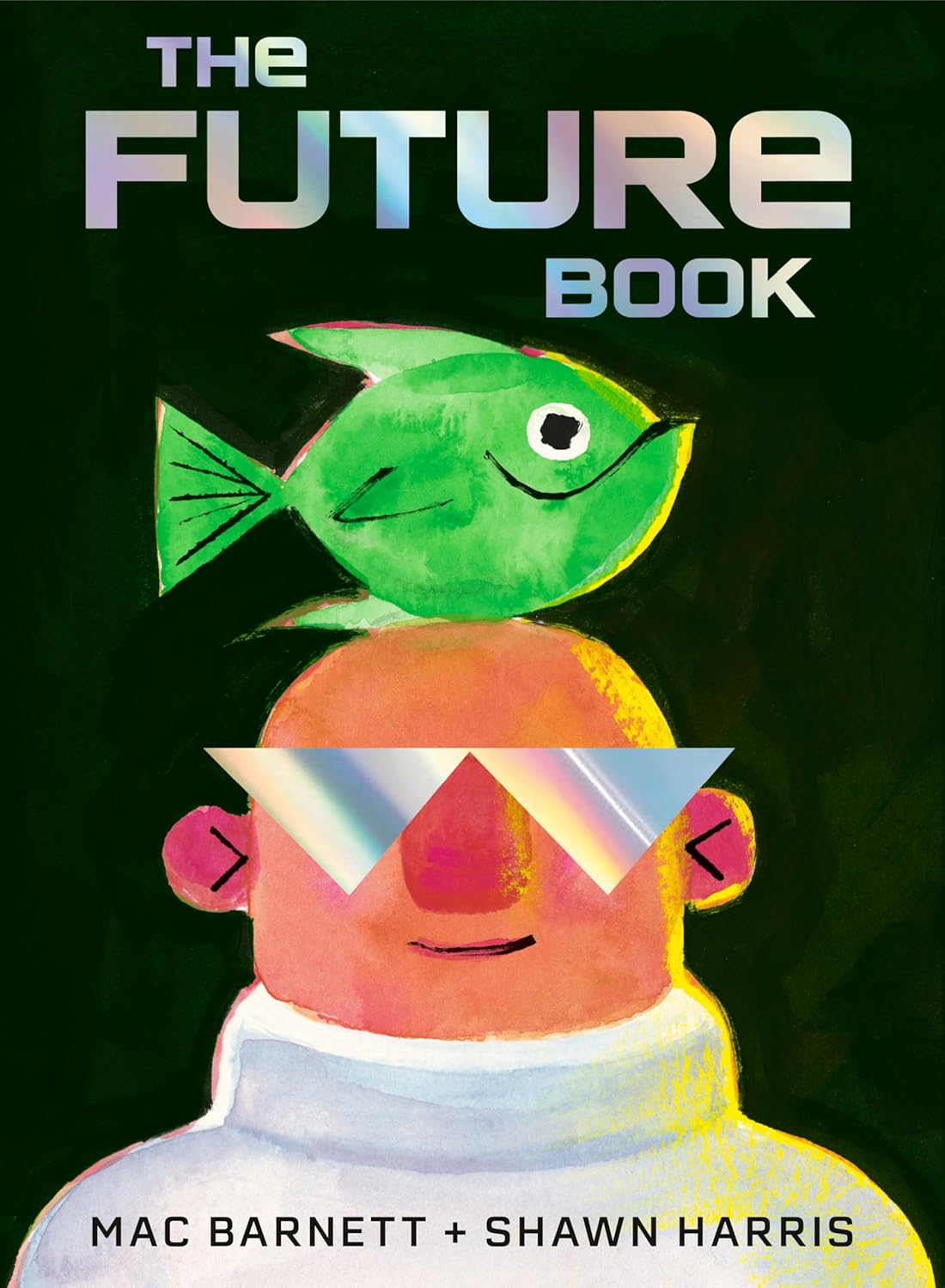
The Future Book by Kevin Kelly is a visionary, optimistic, and deeply thoughtful exploration of how books—and reading itself—will evolve in the coming decades. Published in early 2026 by Viking (Penguin Random House), the book quickly became a favorite among writers, publishers, technologists, and lifelong readers who want to understand what happens next after the long transition from print to digital.
Core Thesis
Kevin Kelly (co-founder of Wired, author of What Technology Wants and The Inevitable) argues that we are only in the early chapters of the greatest transformation in the 500-year history of the book. The “book” of the future will not be a replacement for physical volumes or current e-books—it will be something new: living, networked, multimodal, participatory, and endlessly updatable.
Key Ideas & Predictions
Kelly organizes the book around major shifts already underway and accelerating:
- From Static to Living Books
Books become dynamic documents. Updates, corrections, reader annotations, author addendums, community notes, and real-time data feeds turn a fixed text into a continuous conversation. (Think Wikipedia meets a traditional book.) - From Solo to Social Reading
Reading becomes communal again. Shared highlights, live discussions in the margins, branching “choose your own adventure” paths contributed by readers, and AI-guided conversations with the text or author. - From Text-Only to Multimodal
Future books blend words with voice narration, interactive 3D models, embedded video, simulations, music, AR/VR overlays, and generative illustrations that adapt to the reader’s preferences or comprehension level. - From Ownership to Access & Flows
Most “books” will be subscription services or streaming libraries. You don’t own a fixed copy; you subscribe to a living edition that improves over time. Kelly compares this to how we consume music (Spotify) or software (SaaS). - AI as Co-Creator & Companion
AI will help write, edit, personalize, summarize, translate, and even argue with books. Readers will converse with the author’s intent or debate ideas with simulated versions of historical figures. Books will become active participants in learning. - The Long Tail of Knowledge
Every niche topic will have its own deep, ever-growing book. No subject is too small—someone, somewhere, will keep it alive and current. - The Role of Physical Books
Print doesn’t die—it becomes artisanal, collectible, and intentional. Beautiful limited editions, artist books, and “heirloom” volumes thrive alongside the digital swarm.
Style & Tone
Kelly writes with infectious enthusiasm, clear prose, and a futurist’s optimism tempered by realism. The book is full of concrete examples (existing tools like Hypothesis, Replit, Substack Notes, AI writing assistants, and AR reading apps) and speculative but grounded scenarios. It’s not a dry academic treatise—there are stories, interviews with writers/publishers, and Kelly’s own experiments with AI-augmented reading.
Reception (as of mid-2026)
Critics and readers praise it for being both inspiring and pragmatic. Tech enthusiasts love the forward vision; traditionalists appreciate that Kelly never dismisses physical books—he celebrates their unique role. Some skeptics argue he underestimates resistance to change or the cultural value of fixed texts, but most reviews call it “the most compelling case yet for what books can become.”
In short, The Future Book is required reading if you care about writing, reading, publishing, education, or technology. Kelly makes a convincing, exciting argument that the best days of books are not behind us—they’re just beginning. Whether you’re a novelist, a teacher, a parent, or just someone who loves stories, this book will change how you think about the next chapter of reading.