
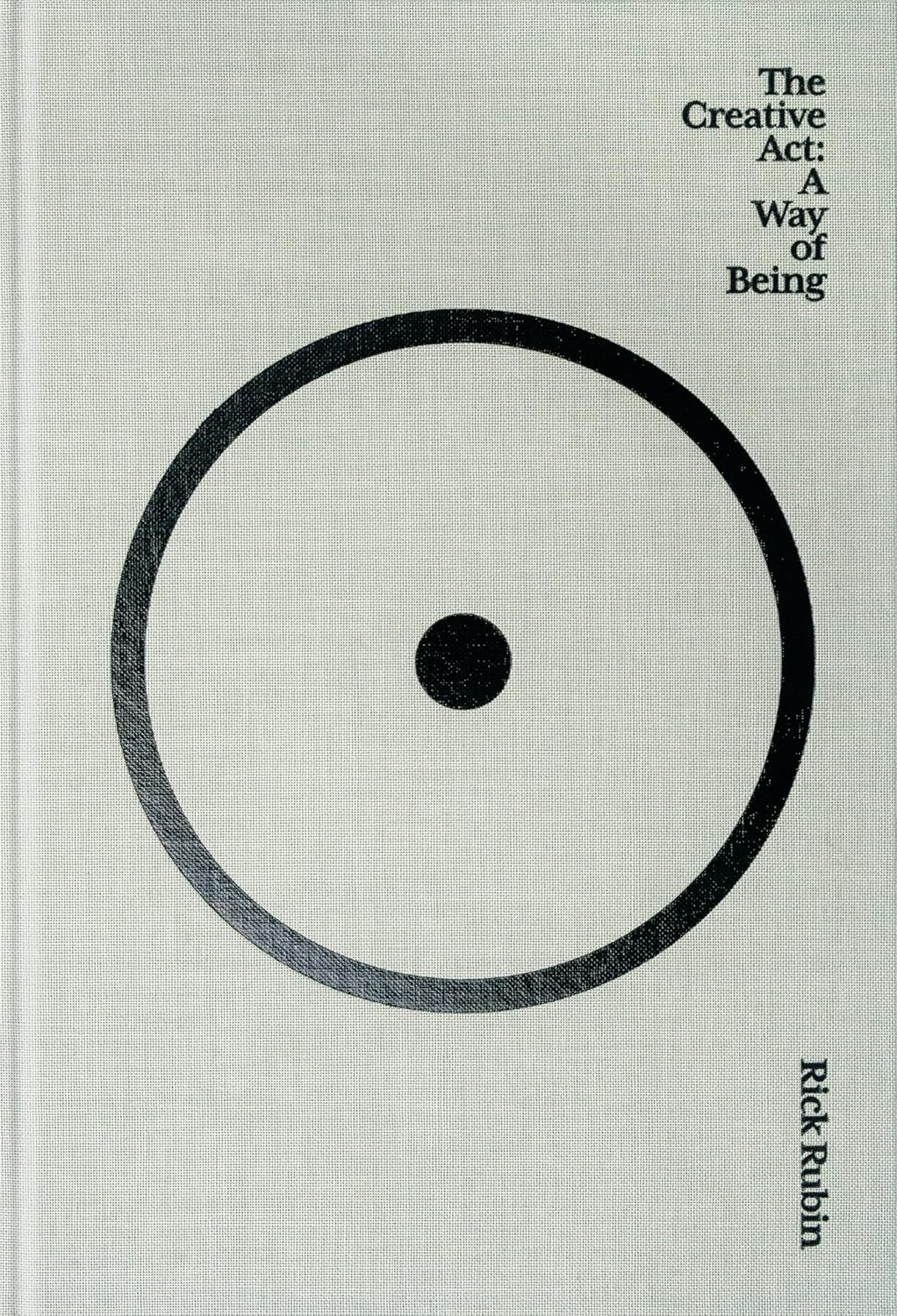
Book Review: The Creative Act: A Way of Being by Rick Rubin
Introduction
Rick Rubin, the legendary music producer behind iconic albums by artists like Johnny Cash, Red Hot Chili Peppers, Beastie Boys, Adele, and Jay-Z, offers his first book in The Creative Act: A Way of Being (2023). At ~432 pages (Penguin Press), it’s not a memoir or technical guide but a philosophical manifesto on creativity as a universal human practice. Drawing from decades of guiding artists through breakthroughs, Rubin distills insights into short, meditative chapters—often aphoristic, sometimes poetic. The book became a #1 New York Times bestseller and remains influential in 2026, praised for its spiritual depth and accessibility. It argues that creativity isn’t rare talent or output—it’s a “way of being” open to everyone, rooted in awareness, detachment, and connection to a larger “Source.” In an era of burnout and algorithmic pressure, Rubin’s gentle, ego-free wisdom feels like a balm.
Content and Structure
The book is organized as a series of 78 brief, standalone chapters (plus a note to the reader disclaiming “nothing here is known to be true”—it’s reflection, not doctrine). There’s no strict narrative; it’s recursive and browseable, encouraging slow absorption.Key sections explore:
- Everyone is creative: Rubin asserts creativity is inherent to being human—not limited to “artists.” It’s about perceiving deeply, noticing, and responding authentically.
- The artist’s mindset: Chapters cover detaching from ego/labels, embracing experimentation, listening over judging, and viewing ideas as seeds to nurture (plant, grow, prune, harvest).
- Process and obstacles: Rubin discusses phases of creation—gathering, experimenting, crafting, completing—while addressing fear, self-doubt, perfectionism, and external validation. He emphasizes play, rituals, and surrendering control.
- Broader life application: Creativity extends beyond art—to relationships, business, problem-solving. Rubin touches on spirituality (connection to nature/Source), humility, and the artist’s role as a conduit rather than originator.
The prose is minimalist, almost Zen-like—short sentences, repetition for emphasis, and metaphors from nature and music. No gossip or artist anecdotes; it’s universal and introspective.
Key Themes and Takeaways
Core idea: Creativity is spiritual and relational—a way of relating to the world with openness and presence. Themes include suspending disbelief to access “Source,” detaching from outcome/ego, the value of failure/experimentation, and art as awakening (first in yourself, then others). Rubin reframes self-doubt as protective, perfectionism as blockage, and rules as starting points to break. He encourages rituals, play, and seeing beauty everywhere—creativity as daily practice, not rare event.
Strengths and Criticisms
Strengths: Profound yet simple; many readers call it life-changing for its calm authority and ego-free tone. The short chapters suit dipping in/out, and Rubin’s credibility (as a producer who unlocks genius) lends weight. It’s inspiring without being prescriptive—more meditation than manual.Criticisms: Some find it repetitive, abstract, or lacking concrete examples (no producer stories). Skeptics see it as overly mystical or vague; it can feel like collected Instagram wisdom to cynics. Not for those wanting step-by-step tactics.
Conclusion
The Creative Act is a luminous, generous guide—not just to making art, but to living creatively. Rubin reminds us creativity is accessible, spiritual, and essential to humanity. Rated 4.6/5 for depth, beauty, and timeless resonance. Ideal for blocked creators, artists of any stripe, or anyone seeking deeper presence. In a noisy world, this quiet book whispers: open up, notice, and let the work flow through you. A modern classic.