
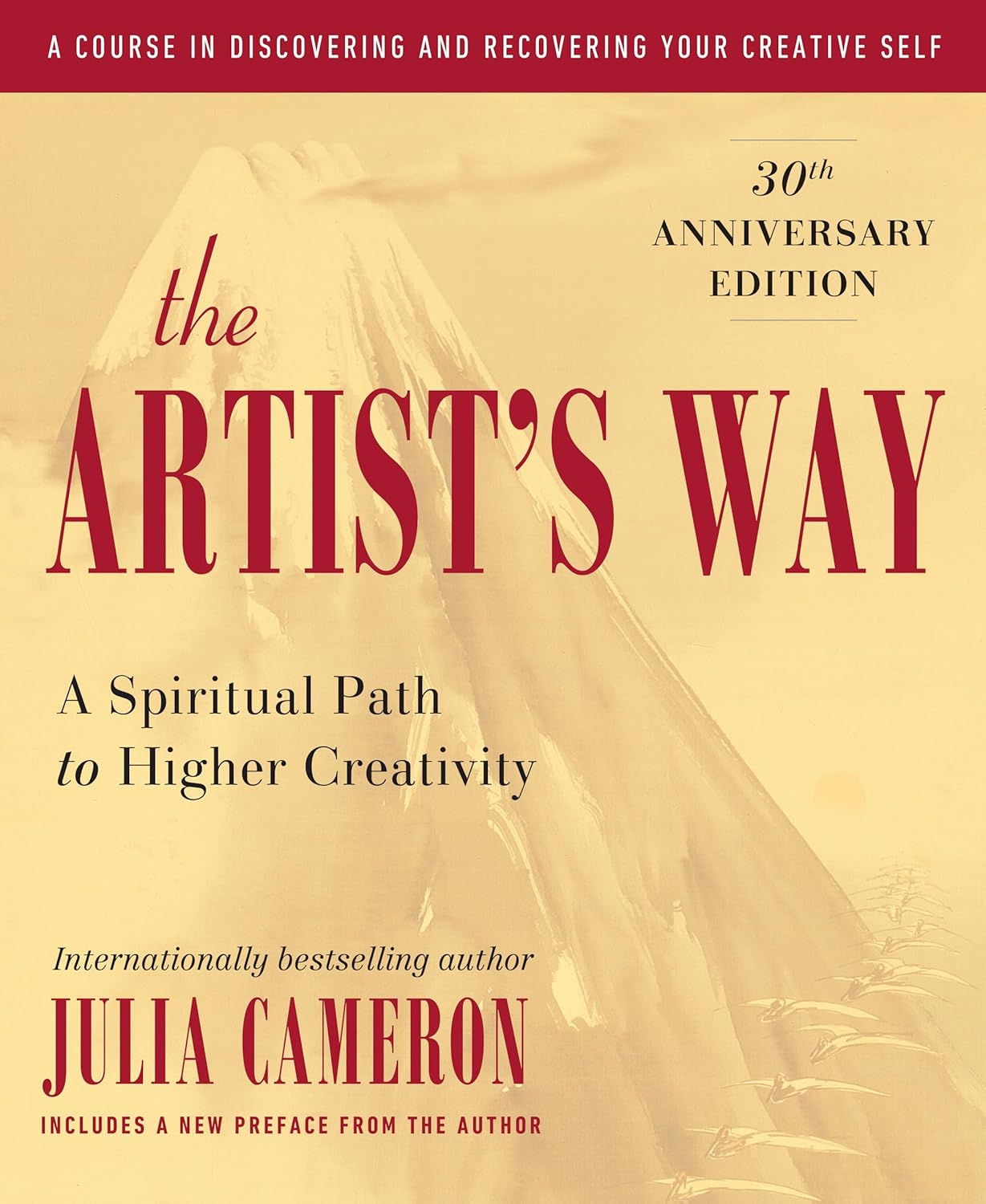
The Artist’s Way: 30th Anniversary Edition
Published by TarcherPerigee (Penguin) on October 25, 2016, The Artist’s Way: 30th Anniversary Edition by Julia Cameron marks a major milestone for the seminal 1992 self-help classic that has sold over four million copies worldwide and inspired generations of creators — from writers and visual artists to musicians, actors, and everyday dreamers seeking to reclaim their creative spark. This updated paperback (272 pages, approximately 7.4 × 9 inches) retains the core 12-week program while adding a fresh preface from Cameron reflecting on three decades of impact, plus minor refinements to framing the work for contemporary readers.
At its heart, the book remains a gentle yet transformative 12-week course in creative recovery. Cameron structures it around two foundational tools: Morning Pages (three pages of stream-of-consciousness writing first thing every day to clear mental clutter and build trust in one’s inner voice) and Artist Dates (a weekly solo outing dedicated to nurturing curiosity and play — a museum visit, a walk in nature, browsing a craft store). Each week tackles a specific creative block (e.g., Week 1: Recovering a Sense of Safety; Week 3: Recovering a Sense of Power; Week 8: Recovering a Sense of Strength), blending spiritual philosophy, practical exercises, affirmations, checklists, and reflective tasks. Cameron draws on 12-step recovery principles (she models creativity as a spiritual path), emphasizing that everyone is inherently creative and that blocks stem from fear, self-doubt, perfectionism, or societal conditioning rather than lack of talent.
The anniversary edition includes Cameron’s updated introduction, where she reflects on the book’s enduring resonance — how it has become shorthand for unlocking potential (Morning Pages are now a cultural staple mentioned in Vogue and beyond) — and shares insights from decades of teaching workshops and seeing lives changed. The program encourages starting “Creative Clusters” (small support groups) for accountability, and tasks range from light (describe your ideal day) to probing (list your creative monsters or childhood dreams deferred).
The tone is warm, encouraging, and egalitarian — Cameron insists creativity is not elite but universal, accessible through consistent, low-pressure practice. Her writing mixes inspirational quotes, personal anecdotes, and direct addresses to the reader (“You are being nudged by the Universe”). While some find the spiritual language (“Great Creator,” “God” as a neutral creative force) too “woo-woo” or New Age, others appreciate its non-denominational openness and the way it reframes resistance as protective rather than destructive.
Production is clean and inviting: a simple, iconic cover with soft colors, ample white space for notes, and sturdy paper suitable for journaling alongside reading. At around $15–20 for paperback (or e-book), it remains an accessible investment for lifelong use — many readers revisit it multiple times or work through it in groups.
Compared to the original, this edition feels refreshed without overhaul; the tools are timeless, and the additions honor the book’s evolution rather than reinvent it. Reader feedback (across Goodreads averages ~4.0–4.2 stars, Amazon 4.7+ from thousands) often describes it as life-changing: reigniting stalled projects, building daily habits, or shifting from self-criticism to self-compassion. Critics note it may not suit those seeking purely technical craft advice (it’s mindset-focused) or who resist spiritual framing, but for blocked creators craving structure and permission to play, it excels.
In summary, The Artist’s Way: 30th Anniversary Edition endures as a compassionate, practical roadmap to higher creativity. Its simple rituals — Morning Pages, Artist Dates, weekly check-ins — compound into profound shifts, making it essential for anyone feeling creatively stuck, aspiring artists rebuilding confidence, or veterans seeking renewal. Whether you’re starting your first “creative recovery” or returning for a refresher, this edition celebrates why the book remains a beloved classic after 30 years. Highly recommended — commit to the 12 weeks, and doors (artistic and personal) may open in ways you never expected.