
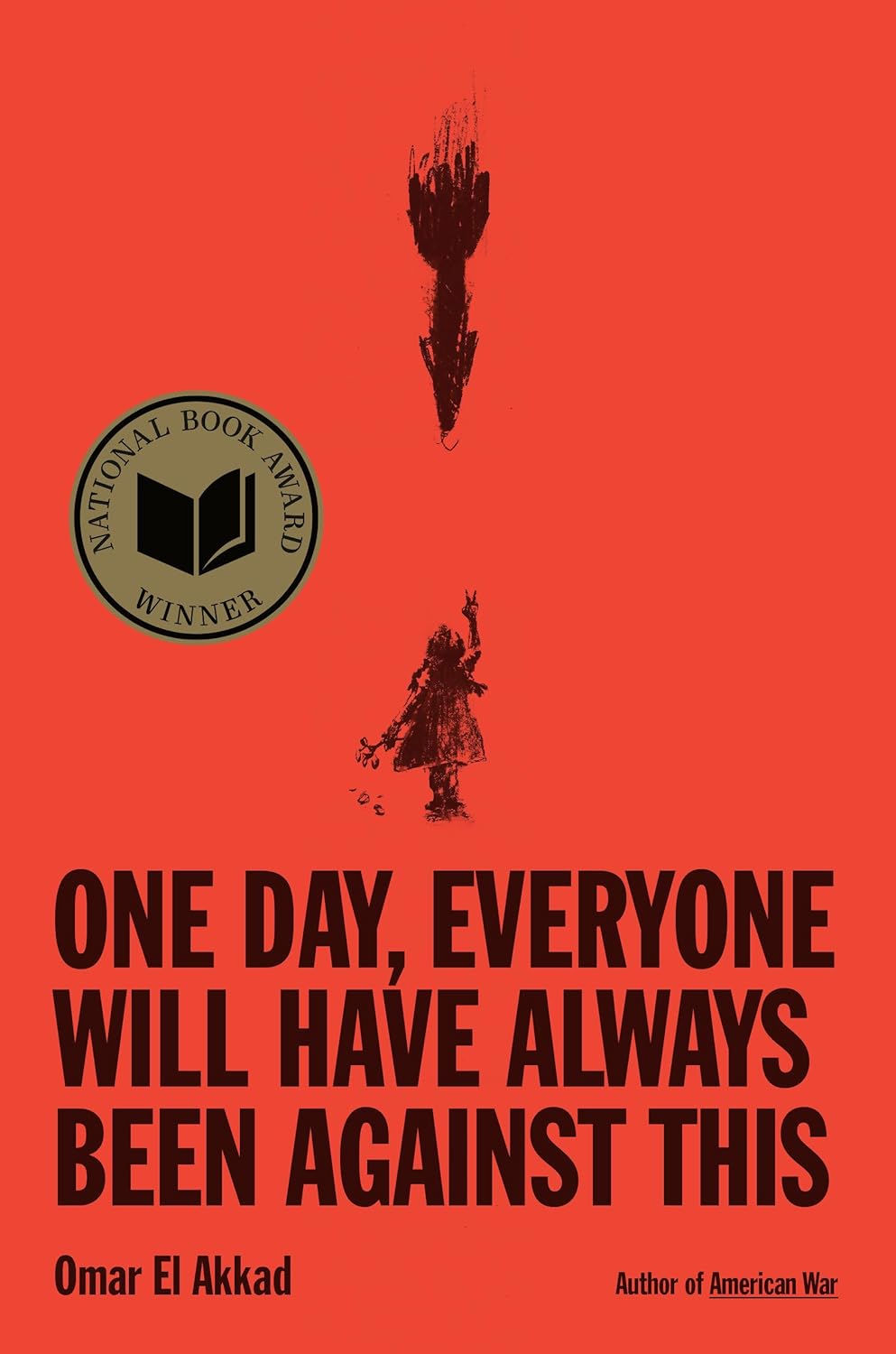
Book Review: One Day, Everyone Will Have Always Been Against This by Omar El Akkad
Introduction
Omar El Akkad’s One Day, Everyone Will Have Always Been Against This (2025) is a searing nonfiction debut that won the 2025 National Book Award for Nonfiction. The Egyptian-Canadian novelist and journalist (known for American War and What Strange Paradise) expands a viral 2023 tweet—posted after three weeks of Gaza’s bombardment—into a ~208-page reckoning with Western hypocrisy, empire, and moral failure. The tweet, viewed over 10 million times, predicted retroactive consensus: once safe and consequence-free, “everyone will have always been against this.” El Akkad, born in Egypt, raised in Qatar, and now living in the U.S., frames the book as a “heartsick breakup letter with the West.” It’s part memoir, part manifesto, part lament—raw, vulnerable, and unflinching. In early 2026, amid ongoing global debates on Palestine, imperialism, and liberal complicity, it stands as a timely, award-winning cry against denial and delay.
Content and Structure
The book centers on El Akkad’s disillusionment, triggered by Gaza but rooted in decades observing Western actions: the War on Terror, Ferguson, Black Lives Matter, climate inaction, and more. It chronicles his “painful realization” that promises of justice, equality, and humanity are often illusions for non-white, non-Western lives.Structured as a series of essays and reflections rather than strict chronology, it weaves:
- Personal narrative: As a father and U.S. citizen, El Akkad grapples with raising children in a system that may never fully see them as human.
- Historical critique: Parallels between past atrocities (colonialism, slavery) and present ones, especially Gaza’s “live-streamed” carnage.
- Moral interrogation: What does it mean to live in an empire that betrays its ideals? How do individuals carve possibility amid horror?
The tone is intimate and urgent—prose described as “beautiful, heartbreaking, messy, and singularly profound.” El Akkad avoids detached journalism; he confronts complicity, grief, and faint hope for a better future.
Key Themes and Takeaways
Core is Western liberalism’s betrayal: values preached universally but applied selectively. El Akkad critiques retroactive virtue-signaling, bystander silence, and the slow erosion of faith in Western ideals among Black, brown, Indigenous, and Global South people. Themes include empire’s violence, the cost of witnessing atrocity, fatherhood in crisis, and the search for moral clarity. Gaza serves as the “terrifying particular” revealing universal truths about power, dehumanization, and delayed justice. The book offers no easy solutions but demands accountability now, not posthumously.
Strengths and Criticisms
Strengths: El Akkad’s eloquent, visceral writing cuts deep—praised as bracing and essential. The National Book Award jury highlighted its ability to convey horror while finding the universal. Readers (and endorsers like Tommy Orange) call it vital for our time, blending personal stakes with broad indictment.Criticisms: Some view it as polemical or one-sided, especially in framing Gaza (described by critics as a “Gaza polemic”). The emotional intensity can feel overwhelming; skeptics question its balance or see it as activist rather than objective nonfiction.
Conclusion
One Day, Everyone Will Have Always Been Against This is a powerful, award-winning indictment of moral cowardice and imperial hypocrisy. El Akkad transforms personal fracture into collective mirror—forcing readers to confront complicity and imagine alternatives. New York Times bestseller, NYT Notable Book, Palestine Book Award winner, and NBCC longlist—it’s essential for understanding our era’s ethical fractures. Rated 4.6/5 for courage, prose, and urgency. Read it if you’re ready to face uncomfortable truths; it won’t let you look away.