
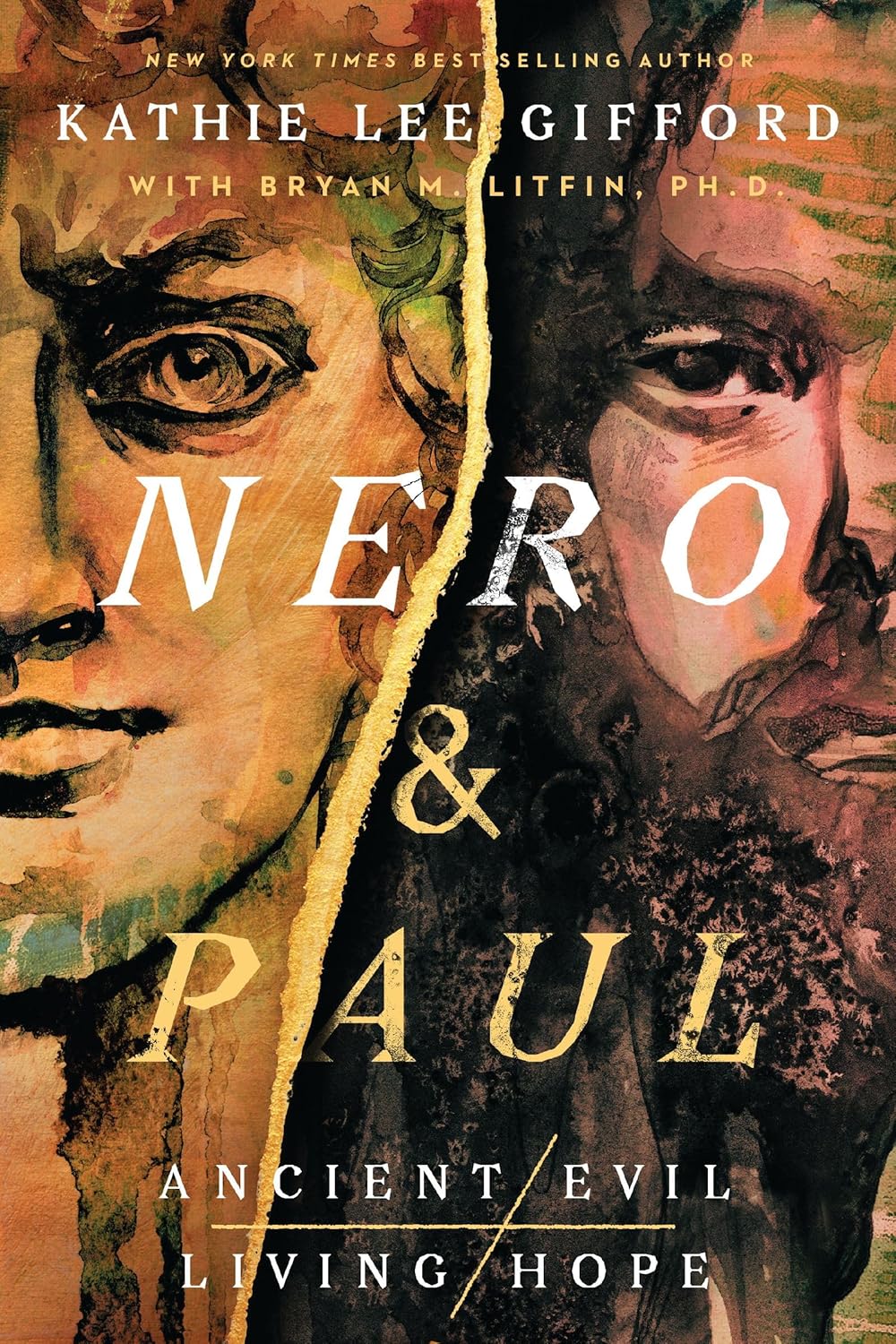
Nero and Paul: How the Gospel of Grace Defeated the Ruler of Rome (Ancient Evil, Living Hope) by John MacArthur is a concise yet powerful historical and theological reflection. It was published in early 2026 by Thomas Nelson. The book contrasts the brutal reign of Emperor Nero with the ministry and martyrdom of the apostle Paul, arguing that the gospel of grace ultimately triumphed over imperial tyranny and pagan power.
Plot Overview
The narrative is built around two parallel lives that intersected dramatically in first-century Rome.
Nero ascended to the throne in AD 54 at age sixteen. At first guided by his tutor Seneca and mother Agrippina, he soon descended into paranoia, extravagance, and cruelty. He murdered his mother, his first wife Octavia, and countless others. In AD 64 the Great Fire of Rome devastated the city. Nero blamed Christians and launched the first empire-wide persecution. He used believers as human torches in his gardens, crucified them, and fed them to wild animals in the arena. His reign became a symbol of absolute evil and deified madness.
Paul (Saul of Tarsus) was already a Roman citizen and a former persecutor of Christians. After his dramatic conversion on the Damascus road, he became the apostle to the Gentiles. By the time Nero ruled, Paul had planted churches across the Mediterranean, written letters that would become most of the New Testament, and endured beatings, shipwrecks, imprisonments, and stoning.
Paul arrived in Rome around AD 60–62 under house arrest after appealing to Caesar. From his rented quarters he preached freely, wrote Ephesians, Philippians, Colossians, and Philemon, and influenced the Praetorian Guard and Caesar’s household (Philippians 1:13; 4:22). Tradition holds that Paul was rearrested during Nero’s persecution, imprisoned in the Mamertine dungeon, and beheaded around AD 67.
MacArthur traces how Nero’s regime sought to extinguish Christianity while Paul’s message of grace—forgiveness through Christ’s death and resurrection—spread underground and eventually outlasted the empire itself.
Key Themes and Arguments
- Grace vs. Power — Nero embodied raw imperial might and self-deification. Paul proclaimed a gospel that declared every person—slave or emperor—equally in need of grace and equally able to receive it.
- Martyrdom as Victory — The book shows how the blood of martyrs became the seed of the church. Nero’s cruelty backfired; it drew attention to the faith and demonstrated its resilience.
- Providential Irony — While Nero ruled the visible world, Paul’s letters and testimony shaped the invisible kingdom that would one day eclipse Rome.
- Hope in Suffering — MacArthur emphasizes that the same gospel that sustained Paul in chains still offers living hope to believers facing modern persecution or personal trials.
Style and Reception
MacArthur writes in his characteristic clear, direct style. He combines careful historical detail with pastoral application. The book is relatively short (around 200 pages) and accessible to lay readers while remaining theologically robust. It avoids speculative fiction; it stays grounded in Scripture, early church tradition, and solid secular sources (Tacitus, Suetonius, Josephus).
Readers praise the book for its vivid portrayal of Nero’s depravity and Paul’s courage. Some appreciate how it connects ancient events to contemporary struggles against authoritarianism and moral decay. Critics note that the tone is strongly evangelical and applicational, which may feel sermon-like to academic readers.
In short, this is an inspiring, sobering read. It shows how the gospel of grace quietly overcame one of history’s most tyrannical rulers. Nero’s empire fell; Paul’s message endures. It reminds believers that God’s kingdom advances not by human power but by the cross and the empty tomb. Perfect for those interested in early church history, New Testament background, or encouragement in difficult times.