
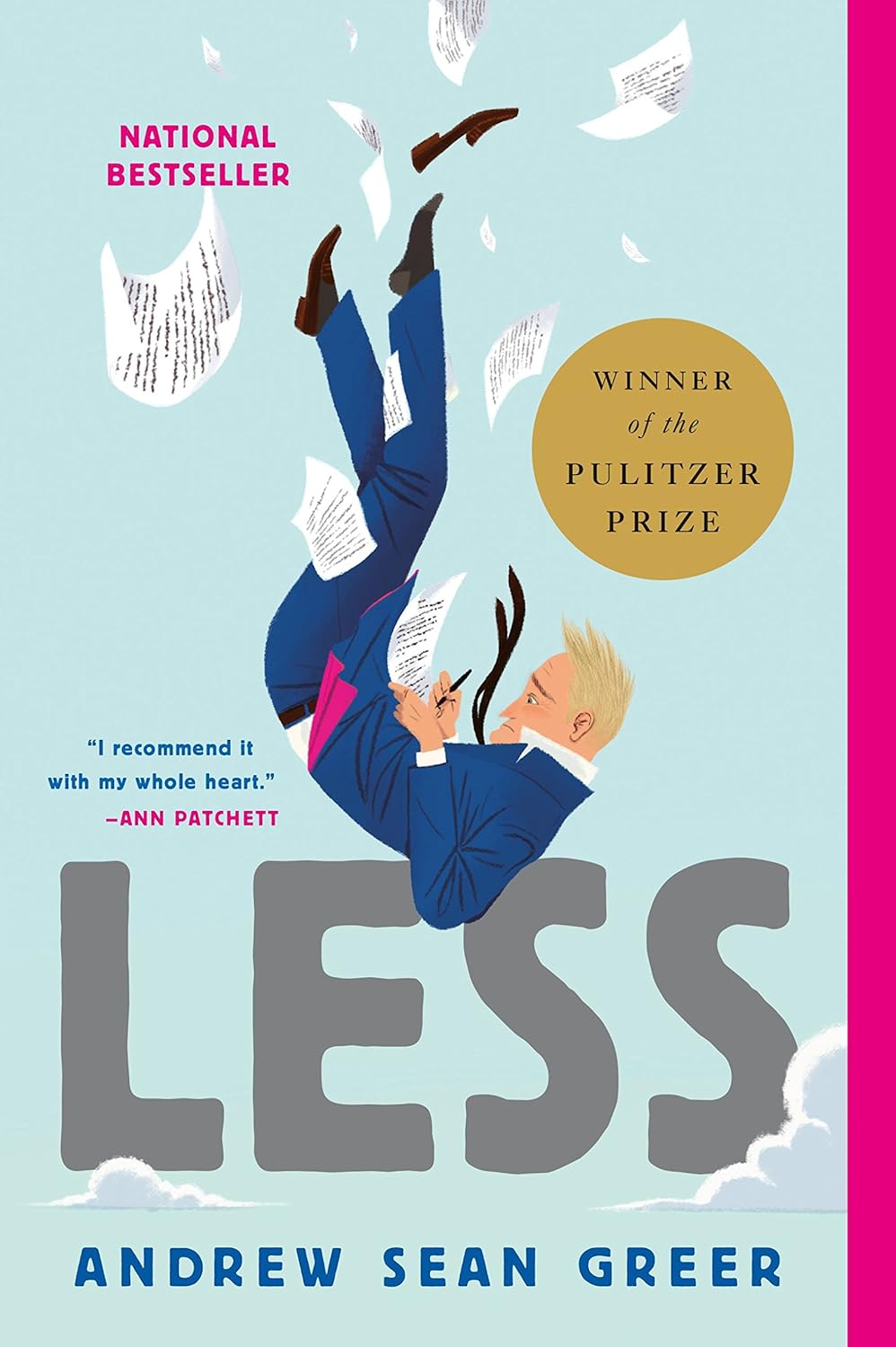
Book Review: Less by Andrew Sean Greer
Introduction
Andrew Sean Greer’s Less (2017) is a witty, poignant satirical novel that won the 2018 Pulitzer Prize for Fiction—the first comic novel to claim the honor in decades. At ~272 pages (Lee Boudreaux Books), it’s the first in the Arthur Less series (followed by Less Is Lost). The story follows Arthur Less, a middling gay novelist approaching 50, who embarks on a global literary tour to escape his ex-boyfriend Freddy’s wedding invitation. Greer, known for inventive historical fiction, shifts to contemporary comedy here, blending farce, heartbreak, and gentle satire. In 2026, with its sequel fresh and ongoing cultural conversations around aging, queer identity, and midlife reinvention, Less remains a delightful, bittersweet standout—praised for its humor, empathy, and surprising depth.
Content and Structure
The narrative is a picaresque adventure, structured around Less’s international jaunt to avoid the wedding and his looming birthday. He accepts every obscure literary invitation he’s ever ignored: a sci-fi conference in Mexico, an awards ceremony in Italy, a retreat in India, teaching in Germany, and more. Each stop brings mishaps—lost luggage, language barriers, awkward panels, romantic near-misses—and revelations about his past.Less, a San Francisco-based writer of “too wistful” novels, is defined by his long-ago relationship with Pulitzer-winning poet Robert Brownburn (a much older man). Now single and feeling invisible (“too old to be fresh, too young to be rediscovered”), he navigates these events with Eeyore-like pessimism and unwitting charm. The omniscient narrator (revealed cleverly at the end) adds playful distance, recounting Less’s blunders and inner turmoil with affectionate irony.Flashbacks weave in his history: youthful love, Freddy’s departure, career frustrations, and self-doubt. The structure is episodic—country-hopping chapters build momentum toward a tender, surprising resolution that circles back to San Francisco.
Key Themes and Takeaways
Central is midlife reckoning: aging as a gay man, the fear of irrelevance, and the search for meaning beyond romance or acclaim. Themes include loneliness amid privilege, the absurdity of literary life (obscure prizes, pretentious panels), self-acceptance, and love’s enduring messiness. Greer satirizes white male privilege lightly while celebrating queer resilience and joy. Less’s journey transforms self-pity into quiet triumph—proving “less” can be more.
Strengths and Criticisms
Strengths: Greer’s prose sparkles—witty, lyrical, and compassionate. Less is endearing (a lovable fool), the humor sharp yet kind, and the emotional payoff heartfelt. The satire bites gently; many praise its warmth and clever twists. High acclaim (Goodreads ~3.6–3.7/5 from hundreds of thousands) highlights its accessibility and re-readability.Criticisms: Some find it mannered or overly whimsical—Less’s pratfalls can feel cute or repetitive. The satire occasionally teeters into farce, and a few readers see it as too light for Pulitzer weight or too focused on a privileged protagonist.
Conclusion
Less is a charming, wise comedy of errors that sneaks in profound truths about love, aging, and self-worth. Greer’s Pulitzer-winning debut (for fiction) proves humor can carry depth—turning a “failed” novelist’s escape into a quiet celebration of life. Rated 4.5/5 for wit, heart, and charm. Ideal for fans of literary satire (A Confederacy of Dunces, Lucky Jim), queer stories, or anyone facing a milestone birthday. A modern classic—delightful, moving, and impossible not to root for Arthur Less.