Book Review: I’m Glad My Mom Died by Jennette McCurdy
Introduction
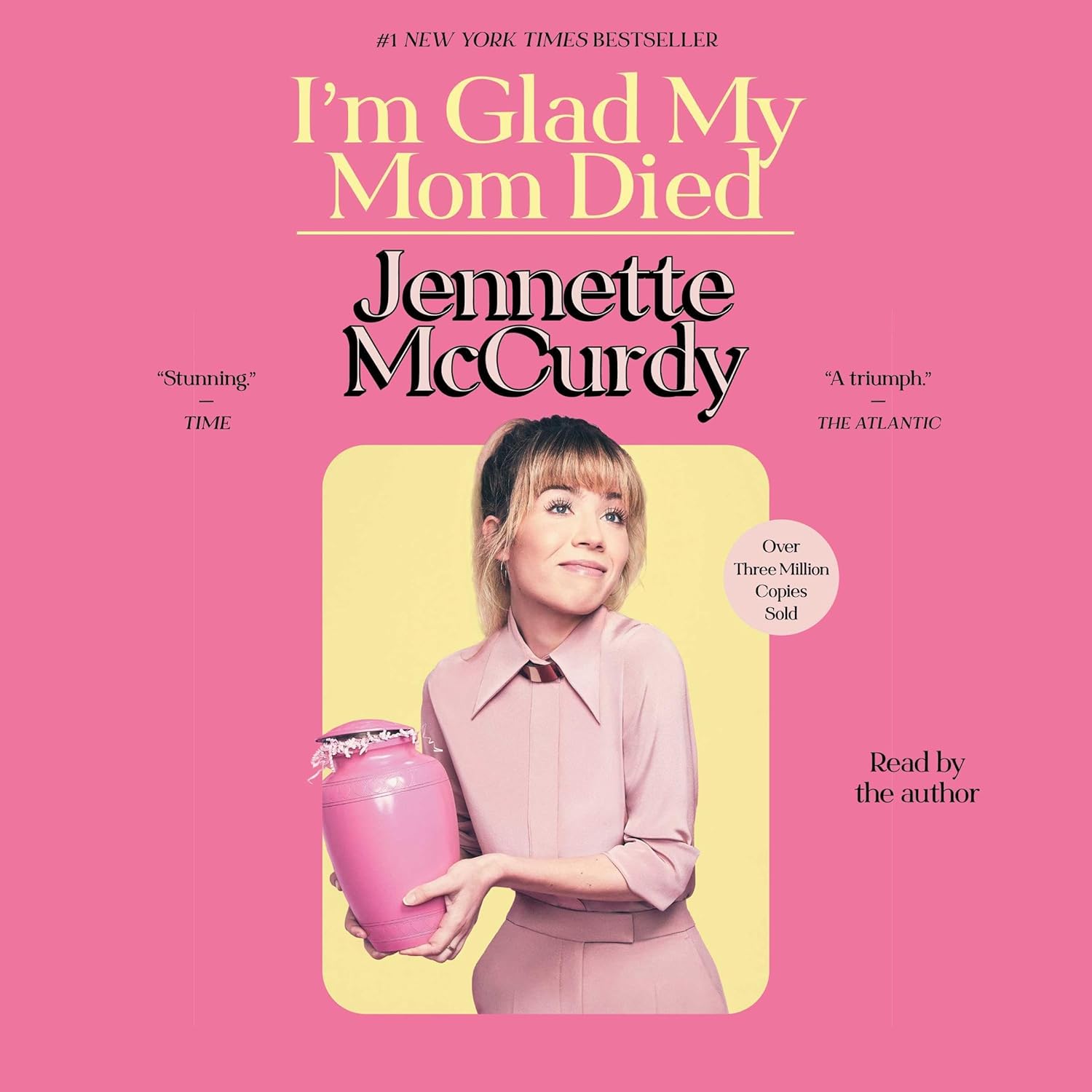
Jennette McCurdy’s I’m Glad My Mom Died (2022) is a blistering, darkly humorous memoir that became a cultural phenomenon. The former child star of Nickelodeon’s iCarly and Sam & Cat (~320 pages, Simon & Schuster) uses the provocative title to frame her story of survival. McCurdy details a childhood dominated by an abusive, narcissistic mother who died of cancer in 2013, alongside the exploitative underbelly of child acting. Winner of the 2022 Goodreads Choice Award for Memoir & Autobiography and praised for its candor, the book blends heartbreak with sharp wit. In 2026, as conversations on child stardom, eating disorders, and parental abuse continue, McCurdy’s unflinching voice—especially in her acclaimed audiobook narration—remains powerful and resonant.
Content and StructureThe memoir splits into two parts: “Before” (childhood and career peak) and “After” (mother’s death and recovery). It’s told in short, vignette-like chapters that read like snapshots—pacing keeps it brisk despite heavy topics.
- Before: McCurdy recounts being pushed into acting at age 6 to fulfill her mother’s unfulfilled dreams. Her mom controls every aspect: calorie counts, wardrobe, even showering her daughter into her teens. McCurdy develops anorexia and bulimia under pressure to stay small for roles. She lands iCarly (as tough-talking Sam Puckett), then Sam & Cat with Ariana Grande—fame brings money and validation but intensifies control and shame. Anecdotes include creepy sets, a “creator” demanding uncomfortable scenes, and her mother’s ecstatic exploitation of fame (befriending paparazzi, fan clubs).
- After: Mom’s 2013 death from cancer leaves McCurdy grieving yet relieved. She spirals into addiction, unhealthy relationships, and therapy breakthroughs. Recovery involves quitting acting, confronting trauma, and reclaiming autonomy—small joys like shampooing her own hair symbolize freedom.
The tone mixes dry humor, self-deprecation, and rage—McCurdy owns her flaws while exposing systemic issues in child entertainment.
Key Themes and Takeaways
Central is the toxic fusion of parental narcissism and Hollywood exploitation. McCurdy shows how abuse masquerades as love (“Mommy knows best”), how fame amplifies trauma, and how eating disorders become control mechanisms. Themes include grief’s complexity (mourning an abuser), resilience through therapy, and the joy of independence. The title isn’t spiteful—it’s earned catharsis after years of suppressed truth. Readers gain insight into child stardom’s dark side: pressure to perform perfection, boundaries erased, and long-term mental health costs.
Strengths and Criticisms
Strengths: McCurdy’s writing is blunt, funny, and devastating—dark comedy balances horror without diluting it. The audiobook (narrated by her) adds intimacy and emotional punch. It’s empowering for survivors and eye-opening for fans. Widely acclaimed for honesty and structure.Criticisms: Graphic details of abuse, ED, and trauma can be triggering. Some find the humor jarring amid pain, though most see it as coping mechanism. Nickelodeon specifics are limited (focus stays personal).
Conclusion
I’m Glad My Mom Died is a rare memoir that earns its bold title—raw, redemptive, and riveting. McCurdy reclaims her narrative with wit and courage, turning pain into power. Rated 4.8/5 for impact, voice, and bravery. Essential for understanding child acting’s toll, abuse dynamics, or anyone seeking stories of hard-won freedom. If you’ve ever wondered what lurked behind those sunny Nickelodeon smiles, this book pulls no punches—and leaves you glad she told it.