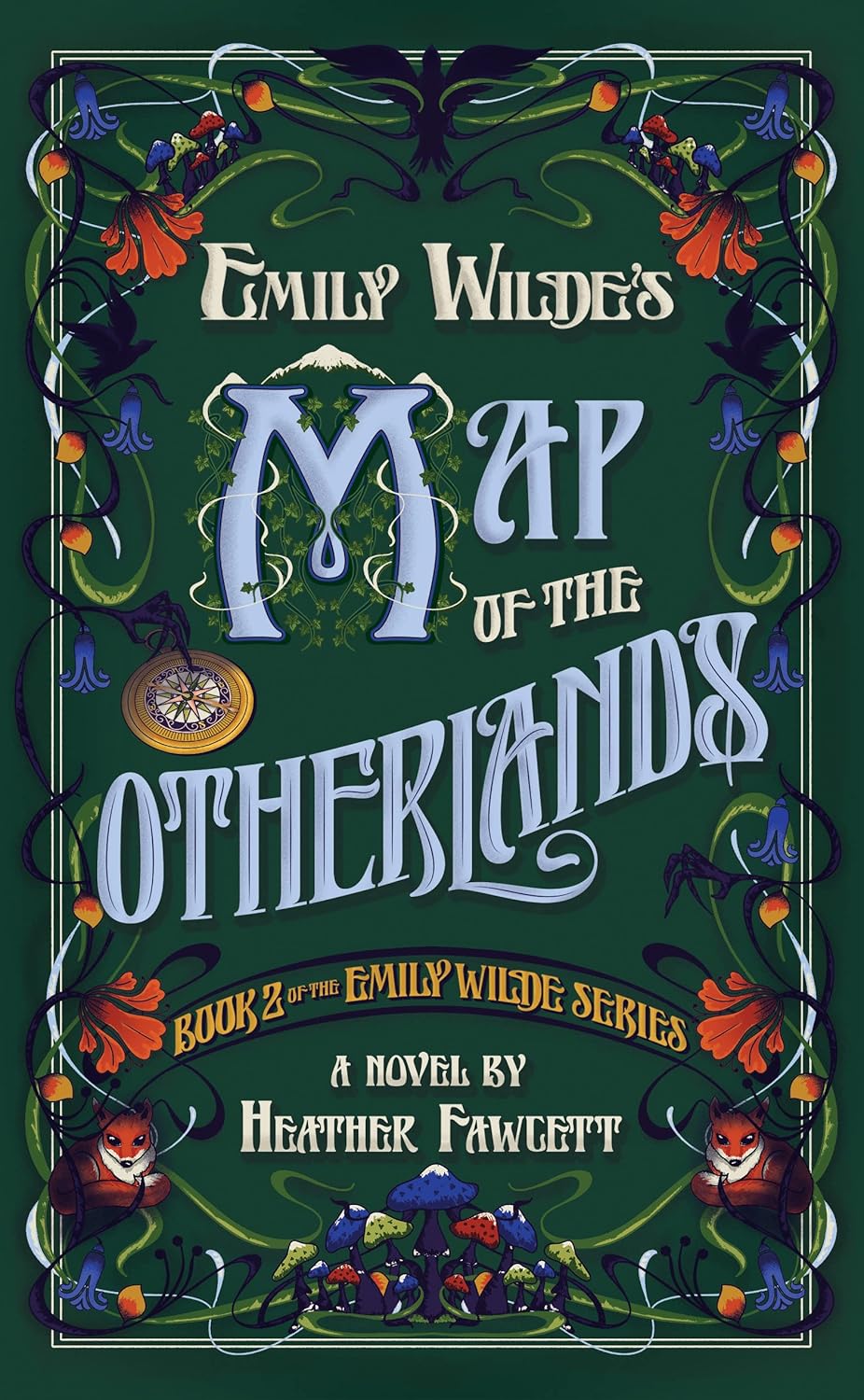
Book Review: Emily Wilde’s Map of the Otherlands by Heather Fawcett
Introduction
Heather Fawcett’s Emily Wilde’s Map of the Otherlands (2024), the second installment in the Emily Wilde series, is a charming, atmospheric cozy fantasy that builds beautifully on its predecessor. At ~400 pages (Del Rey), it follows curmudgeonly Cambridge professor Emily Wilde and her exiled faerie companion Wendell Bambleby as they pursue a new scholarly quest amid rising peril. Set in 1910, about a year after Emily Wilde’s Encyclopaedia of Faeries, the book blends dry humor, slow-burn romance, light academia, and escalating faerie intrigue. It earned widespread acclaim (Goodreads Choice Award nominee, high ratings ~4.3/5) for its witty prose, heartfelt character growth, and whimsical yet perilous worldbuilding. In 2026, with the series’ third book Emily Wilde’s Compendium of Lost Tales out, this middle volume remains a fan favorite for its balance of coziness and stakes.
Content and Structure
The story picks up with Emily at Cambridge, compiling a groundbreaking map of faerie realms and their hidden doors (nexus points). She’s also grappling with Wendell Bambleby’s marriage proposal—he’s the charming, exiled faerie king of the Silva Lupi realm—while avoiding commitment. Her niece Ariadne, now a Cambridge student, becomes her enthusiastic (if chaotic) assistant.Trouble arrives when assassins from Wendell’s realm—sent by his usurping stepmother—attack during one of his lectures, exposing his fae nature to department head Dr. Rose (who already suspects academic fraud). Forced to flee, Emily, Wendell, Ariadne, and a small crew embark on an expedition to the Austrian Alps, chasing a rumored nexus tied to a long-missing scholar, Danielle de Grey.The narrative unfolds in Emily’s signature first-person field-journal style—precise, scholarly, and laced with sarcasm—alternating between Cambridge mishaps, perilous travel, and faerie encounters. Fawcett expands the world with vivid new realms, magical artifacts (cloaks, scarves), and escalating threats, culminating in high-stakes confrontations that test alliances, identity, and love.
Key Themes and Takeaways
Central is the tension between independence and connection: Emily’s reluctance to marry reflects her fear of losing autonomy, while Wendell’s vulnerability deepens their bond. Themes include found family (Ariadne’s role adds warmth), the cost of power and exile, scholarly obsession vs. human emotion, and the wonder/danger of faerie realms. Fawcett balances cozy moments (tea, banter, academic quirks) with real peril, showing how love and friendship endure chaos.
Strengths and Criticisms
Strengths: The prose is delightful—witty, descriptive, and immersive. Emily’s voice remains a highlight: prickly yet endearing, with the Nightmare-like inner dialogue absent but replaced by richer emotional layers. Wendell shines brighter here; the romance progresses perfectly (dreamy sighs abound). Worldbuilding expands organically, and the adventure feels fresh yet tied to book one. Readers praise its heart, humor, and satisfying payoff.Criticisms: Some find the early pacing slower or the quest setup trope-heavy. A few wanted more Wendell screen time or deeper resolution on certain threads. The cozy tone can feel at odds with rising stakes for some.
Conclusion
Emily Wilde’s Map of the Otherlands is a worthy, enchanting sequel that deepens characters, expands wonder, and delivers cozy fantasy with genuine peril and heart. Fawcett crafts a spellbinding middle book—perfect for fans craving academia, faerie lore, slow-burn romance, and found-family warmth. Rated 4.6/5 for charm, wit, and emotional resonance. If you loved the first, this one elevates the series; if you’re new, start with Encyclopaedia—but this volume stands strong on its own. Highly recommended for winter reading or anyone seeking magical escapism with substance.