
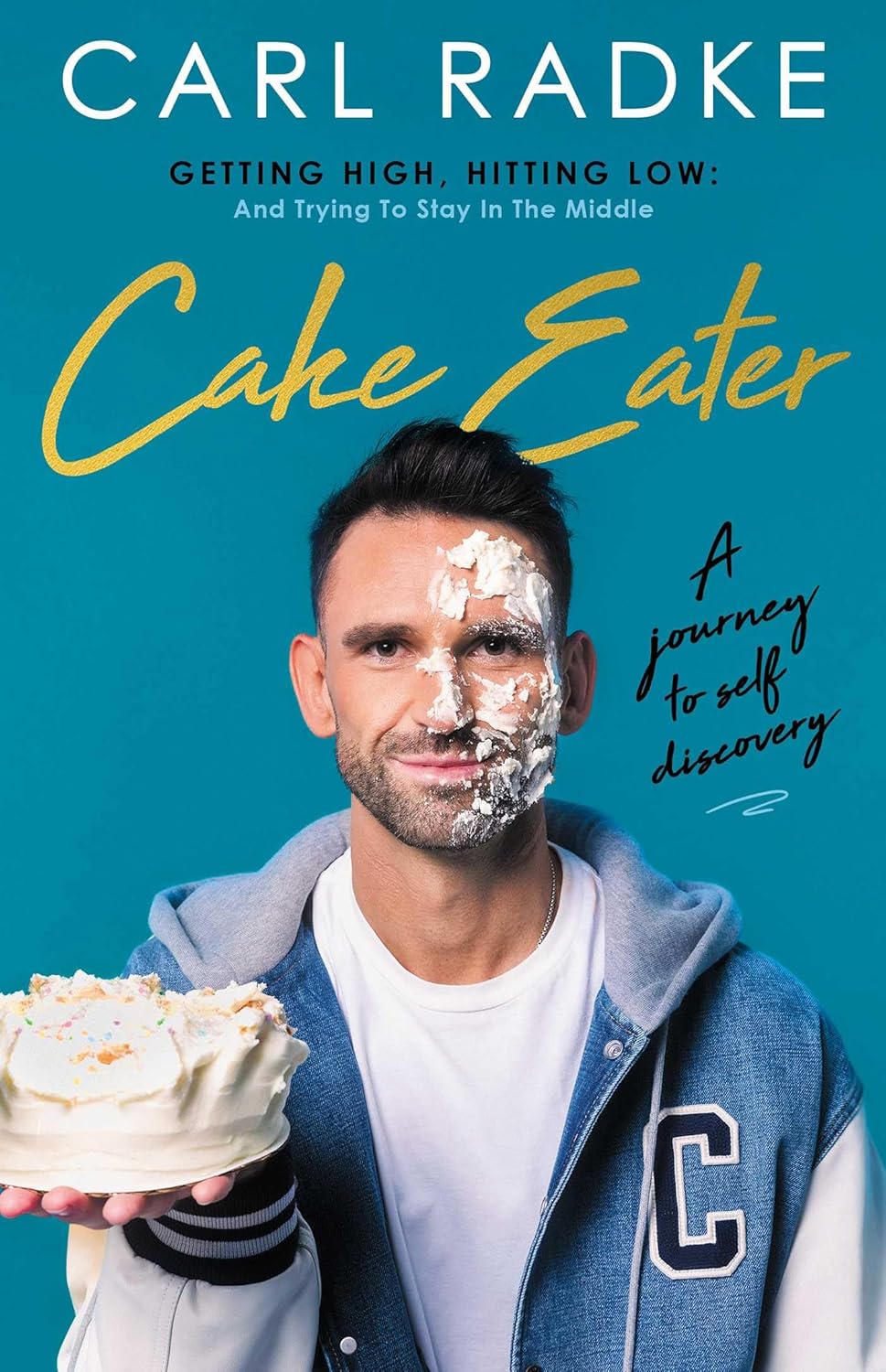
Book Review: Cake Eater by Carl Radke
Introduction
Carl Radke, longtime star of Bravo’s Summer House, delivers a candid, no-filter memoir in Cake Eater (2025). Released by Rising Action Publishing (~160 pages), the book is a raw dive into his journey from party-fueled reality TV persona to sober, reflective man. The title nods to Pittsburgh-area slang for a privileged or “spoiled” kid from affluent suburbs—Radke’s self-deprecating label for his own upbringing in the South Hills. At 40, post-breakup with Lindsay Hubbard, family losses (including his brother’s death), and years of addiction struggles, Radke uses the book to unpack highs, lows, and hard-won growth. It’s part celebrity confessional, part sobriety story—timely in 2026 for fans of unvarnished Bravo memoirs like those from Vanderpump or Housewives alums. Radke’s voice is straightforward and earnest, making this a quick, emotional read.
Content and Structure
The memoir unfolds chronologically but thematically, focusing on key life phases rather than exhaustive timelines.
- Childhood and roots: Radke reflects on growing up in a working-to-middle-class Pittsburgh family, where “cake eater” was thrown around as a jab at kids who had it “too easy.” He explores early family dynamics, including a tough father figure and the seeds of future struggles.
- Addiction’s grip: The heart of the book details his “darkest period”—heavy partying during Summer House seasons, escalating substance use, isolation, and rock-bottom moments. He shares vulnerable excerpts about blackouts, family interventions, and the toll on relationships.
- Sobriety and transformation: Post-rock bottom, Radke chronicles rehab, AA meetings, daily meditation/prayer routines, and rebuilding. He addresses grief (brother’s loss), career shifts (from finance to TV to sobriety advocate), and finding peace—emphasizing resilience without sugarcoating setbacks.
- Reality TV lens: While not a behind-the-scenes exposé, he touches on how filming amplified chaos, the pressure of public image, and lessons from the show (e.g., breakups, friendships).
The tone is intimate and unfiltered—Radke owns mistakes, avoids blame, and highlights small wins like consistent meetings and family reconnection.
Key Themes and Takeaways
Central is radical self-honesty: addiction thrives on denial; recovery demands ownership. Themes include privilege’s double edge (entitlement vs. hidden pain), grief’s role in relapse, the power of routine (meditation, prayer, community), and redefining masculinity through vulnerability. Radke frames sobriety not as perfection but daily choice—Sober Carl “isn’t fun” to some, but he’s authentic to himself. It’s motivational without preachiness, showing hope is possible even after public failures.
Strengths and Criticisms
Strengths: Raw honesty resonates—fans praise its intimacy and relatability. Short length keeps it accessible; Radke’s simple prose feels conversational. Many credit it for inspiring their own recovery journeys. The Pittsburgh roots add unique flavor.Criticisms: Some find it repetitive or surface-level on Bravo drama (minimal gossip). Writing is straightforward but not literary—more heartfelt than polished. Critics note it leans heavily on personal redemption without broader societal critique.
Conclusion
Cake Eater is a solid, sincere memoir for Summer House fans and anyone navigating recovery. Radke doesn’t glorify his past—he dissects it with humility, offering proof that change is possible amid chaos. Rated 4.0/5 for authenticity and impact. In an era of curated social media, his unfiltered path feels refreshing. If you’re in the Bravo orbit or seeking real talk on addiction, this one’s worth the read.