
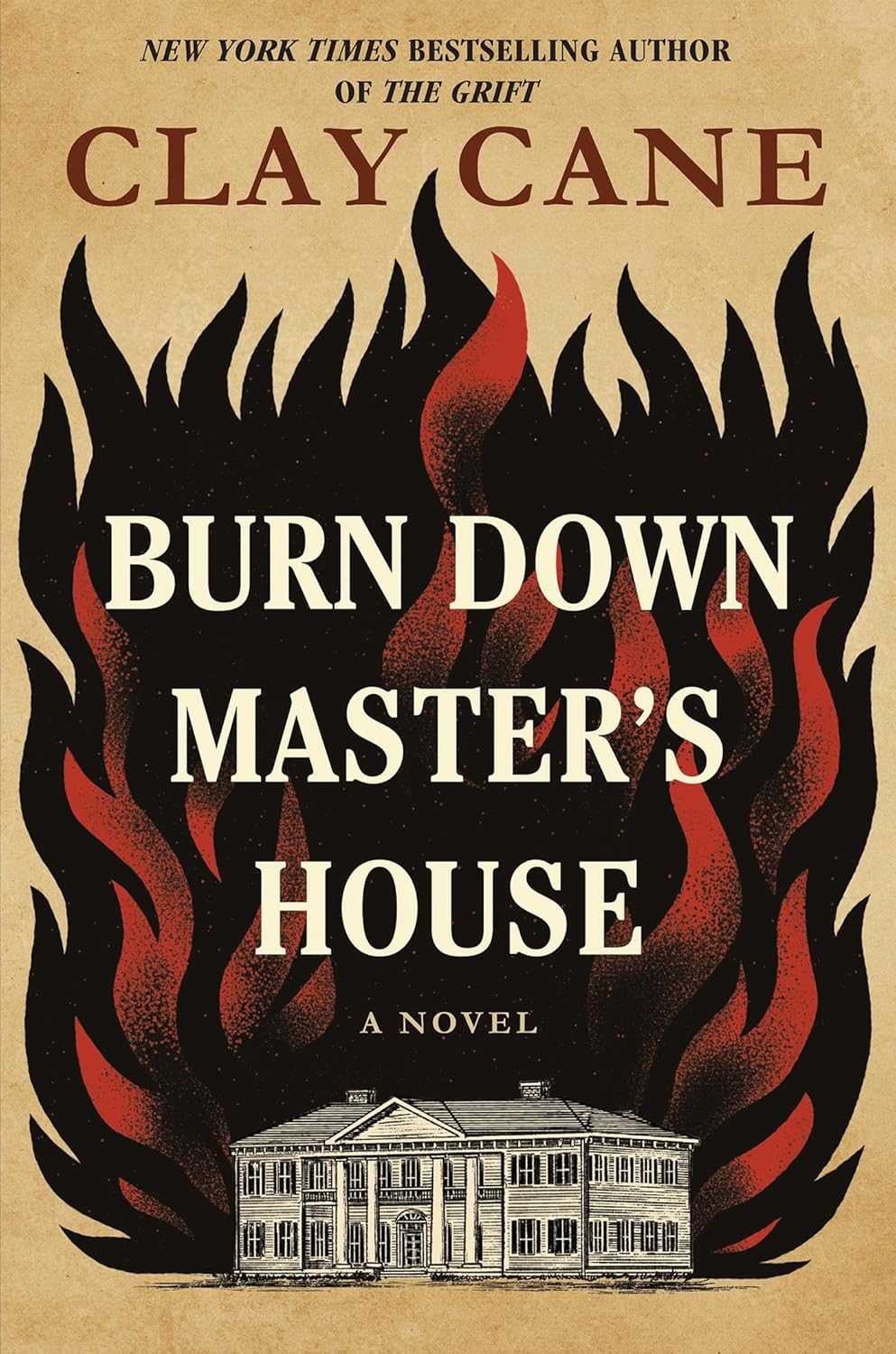
Burn Down Master’s House: A Novel by Clay Cane is a powerful, unflinching work of historical fiction published on January 27, 2026. Inspired by long-buried true stories of enslaved people who dared to resist and fight back against the brutality of chattel slavery in the American South, the book offers a searing portrayal of courage, rebellion, and the human cost of oppression.
Overview
Set during the turmoil of the Civil War, the novel weaves together multiple interconnected stories of enslaved men and women on plantations across the South, particularly at a Virginia estate called Magnolia Row. Rather than focusing solely on suffering and survival, Cane centers the narrative on acts of resistance — quiet and explosive — that build toward collective defiance.The story follows several key characters whose lives intersect:
- Luke, a quick-witted and literate man who uses his intelligence to navigate danger and plant seeds of rebellion.
- Henri, a strong, defiant spirit who refuses to be broken and inspires others through his unyielding resolve.
- Josephine and other enslaved women and men who reach their breaking point and turn pain into calculated vengeance.
As individual sparks of resistance — sabotage, escape plans, secret alliances, and direct confrontations — spread, they fuel a larger inferno of justice. The characters’ seemingly separate rebellions connect in profound ways, showing how small acts of defiance can ignite something unstoppable. The title becomes both literal and symbolic as flames of retribution rise against the “master’s house.”
The novel does not shy away from the horrors of slavery — the violence, dehumanization, family separations, and daily cruelties — but it emphasizes agency, kinship, and the righteous anger that drives people to risk everything for freedom.
Character Dynamics and Development
Cane tells the story through multiple perspectives, allowing readers to feel the intimate emotional weight carried by each character. Bonds of friendship, love, and solidarity form under extreme pressure, creating moments of tenderness amid the brutality. The characters are complex and deeply human: some are strategic and patient, others impulsive and fiery. Their growth comes through choosing resistance over passive endurance, even when the personal cost is devastating.
Key Themes
- The many forms of resistance — from subtle sabotage to open revolt
- The power of collective action and found family among the oppressed
- The moral complexity of vengeance and justice in the face of unimaginable evil
- How enslaved people preserved dignity, culture, and hope despite systemic attempts to erase them
- The timeless relevance of fighting back against tyranny and oppression
Tone & Style
The writing is intense, compassionate, and cinematic. Cane’s prose is vivid and emotionally raw, blending historical detail with gripping storytelling. The tone is unflinching yet hopeful — it does not glorify violence, but it honors the courage of those who refused to accept their chains. Readers of Colson Whitehead, Jesmyn Ward, and Percival Everett will find a similar depth and moral clarity here.
Reception
Early reviews praise the book as “breathtaking in scope,” “powerful,” and “a resistance story for the ages.” Many readers note that it reframes narratives of slavery by centering Black agency and rebellion rather than passive victimhood. It has been called both harrowing and inspirational, with characters who linger long after the final page.
In short, Burn Down Master’s House is a bold, compassionate novel that illuminates forgotten stories of enslaved people who chose defiance over submission. Through interconnected tales of courage and retribution, Clay Cane delivers a timely and unforgettable exploration of resistance, justice, and the enduring fight for freedom.
It is a powerful read that challenges, moves, and inspires. Highly recommended for fans of literary historical fiction that confronts America’s past with honesty and heart.